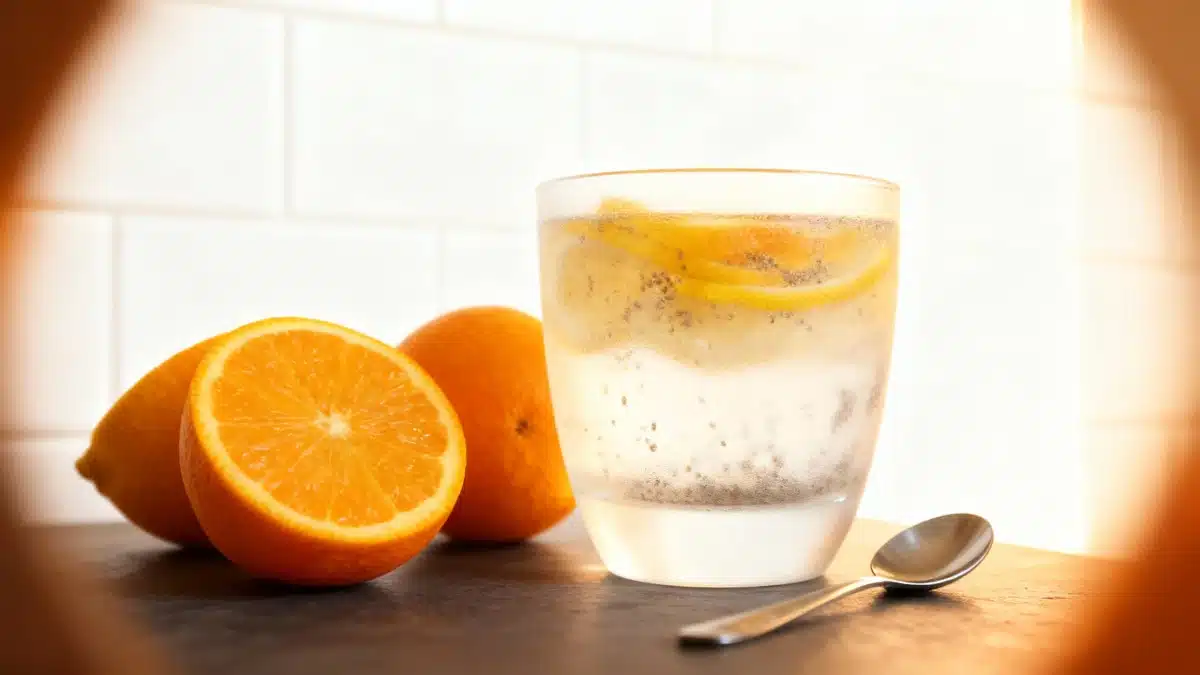
Can a simple mix of lemon water and chia seeds really melt your extra pounds away as social media claims? Let’s squeeze out the facts and separate nutritional wisdom from viral hype so you won’t get soaked by false promises—or fiber overload!
Lemon Water and Chia Seeds: What’s Really Inside This So-Called Miracle Potion?
It all started with one viral post by an American nutritionist. Dr. Daryl Gioffre, during a discussion on—you guessed it—constipation, praised the concept of an “internal shower” made of water, chia seeds, and lemon juice. Harmless enough, right? But soon after, the internet ran with the story. Suddenly, this humble drink was crowned with a thousand magical virtues, the most popular being its supposed power to trigger rapid weight loss.
But let’s break down what’s actually in this concoction:
- Still water
- Fresh lemon juice (zest for life and your cup!)
- Chia seeds, which swell as they soak
The idea? Once consumed, the swollen chia seeds fill your stomach, creating a feeling of fullness that helps keep hunger at bay. That’s the theory—perfect for those seeking a little help sticking to a weight-loss diet. But does it hold up?
The Real Benefits… and Where Hype Ends
First, let’s give credit where it’s due. Lemon juice boasts some genuine perks—it’s rich in vitamin C, which helps battle fatigue, acts as an antioxidant, and even aids digestion. Chia seeds are nothing to sneeze at either: they’re loaded with fiber, minerals, omega-3s, and have a reputation for promoting smooth digestive transit. Dr. Julien Scanzi, a gastroenterologist, notes these benefits and sees no harm in enjoying this drink—as a part of a balanced diet, of course.
But don’t get out your juicer and chia shaker just yet. Here’s where science pours cold water on the fantasy: the properties of this mix stop… right there. Nothing miraculous happens when you blend these three together. “This isn’t how you lose weight,” clarifies Dr. Scanzi. True weight loss only comes with a personalized and controlled nutritional plan—not a one-size-fits-all solution. Everyone is different, and your diet should consider age, lifestyle, and other unique factors.
If you’re constipated, fine—fiber-rich foods help, and chia can be part of that. But so can plenty of other sources. The magic, it turns out, is just well-documented dietary fiber at work.
How to Consume Chia (and What Not to Do!)
Before you chug chia-laden lemon water, remember: none of these viral recipes tend to mention how much you should use. Go overboard and your stomach may let you know—unpleasantly.
Too much chia means too much soluble fiber, which can lead to bloating or stomach pain, especially for sensitive guts. And—important!—since chia soaks up a lot of liquid, always keep hydrated so your digestive system doesn’t get the short end of the straw.
If you’re new to chia, add it gradually and listen to your body. Here’s how nutrition pros recommend exploring chia in your diet:
- Soak them in water, plant-based milk, or yogurt. Chia absorbs the liquid and forms a gel ideal for puddings or smoothies. Let it rest for a few hours or overnight for full gelatinous effect.
- Once rehydrated, toss them into smoothies, porridge, or whip up a chia pudding snack or dessert.
- To make chia pudding: combine 15g chia seeds with 100ml plant milk, half a teaspoon vanilla extract, and a teaspoon maple syrup. Stir, let sit 3 minutes, stir again, then refrigerate at least 3 hours. Top with fresh fruit before eating!
- Sprinkle dry on cereal, salads, yogurt, or mix into breads, pizzas, muffins, homemade granola, or energy bars. Their neutral taste and crunch are easy to enjoy in many dishes.
- Use as an egg substitute! Grind 1 tablespoon chia, mix with 3 tablespoons water, let stand 10–15 minutes until gelled—then use as you would one egg in cakes, muffins, or other batters.
Still, don’t get carried away: recommended daily intake is about 15 to 20 grams (1-2 tablespoons), providing plenty of omega-3s, fiber, protein, and other useful nutrients. Start small and increase as your body adjusts.
The Bottom Line: Nutrition, Not Miracles
Chia seeds do have a lot going for them—low glycemic index, a wealth of vitamins (A, B1, B3, B9, C, E, and K), and good fats that help with heart and brain health, and even have anti-inflammatory properties. They are energy-dense (about 70 calories per tablespoon), so portion control matters, especially on calorie-restricted diets. Their real value? Contributing to an overall balanced diet, not creating magic weight loss.
If you want to shake things up, consider flax seeds as an excellent alternative. They share similar nutritional profiles—lots of fiber, omega-3s, proteins, and antioxidants—and should be ground before use for best absorption. Flax seeds also soak up water to form a digestive-friendly gel and can be sprinkled or mixed just like chia in everything from cereal to baked goods.
Final tip: Ignore the flashy promises and focus on what matters: a varied, balanced diet (with the occasional tasty chia pudding, if you wish). Every body is unique, so tailor your habits to what feels right for you, and don’t forget to drink enough water along the way—your digestive system will thank you!

John is a curious mind who loves to write about diverse topics. Passionate about sharing his thoughts and perspectives, he enjoys sparking conversations and encouraging discovery. For him, every subject is an invitation to discuss and learn.


