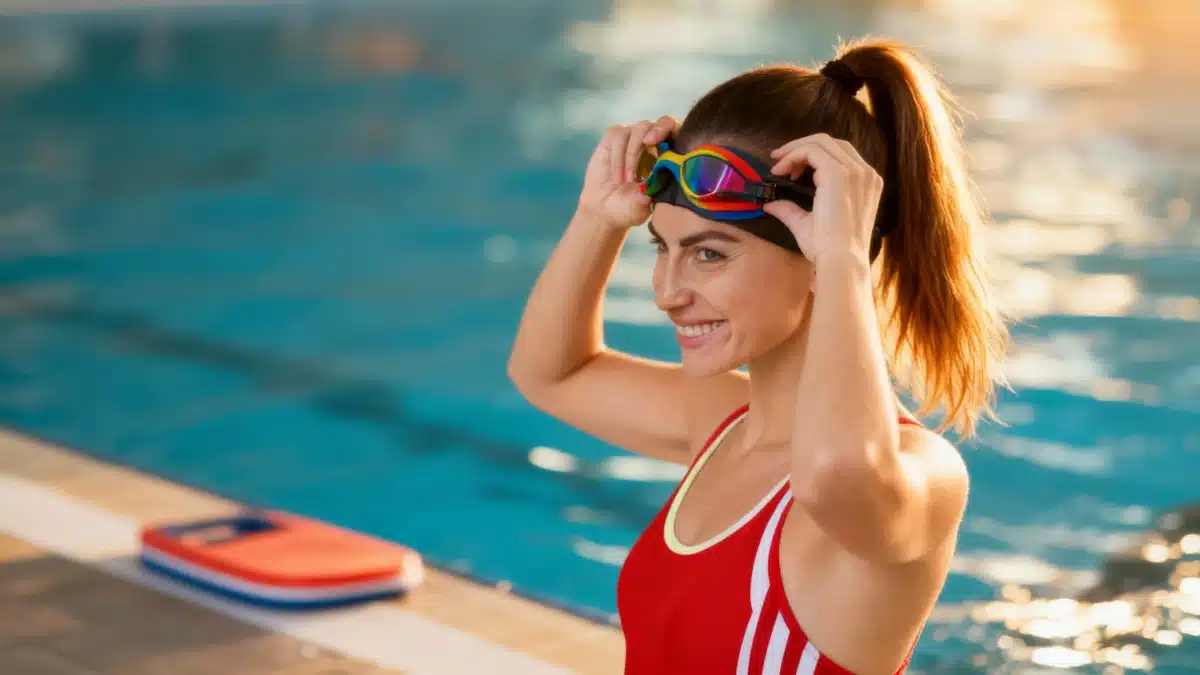
Thinking of swapping your trainers for a swim cap in your pursuit of weight loss? Good news: the pool might just be your new best friend! Let’s dive (pun fully intended) into why swimming is the all-in-one sport for sculpting your physique—and which stroke really torches the most calories.
Swimming for Weight Loss: A Total-Body Powerhouse
Swimming is one of those rare sports that works the body from head to toe. Each stroke you choose can contribute to refining areas like your stomach, thighs, and glutes. And yes, whether you’re a Sunday swimmer or a seasoned athlete, the pool welcomes all!
What makes swimming so brilliant? First, it activates all major muscle groups: upper muscles like abdominals, biceps, triceps, and the back, as well as lower groups such as glutes and quadriceps. In other words, it’s perfect if you want global weight loss, not just targeted toning.
Second, swimming is merciful on the joints. Water supports about 90% of your body weight, making it the ultimate go-to if you’re dealing with joint pain, arthritis, or if you need an active break from high-impact sports like running. You’ll work hard without sacrificing your knees!
Calories Burned in the Pool: Which Stroke Is Top?
Let’s get to the fun (and sweaty) part: calorie burn. Swimming is a high-energy sport. For example, swimming breaststroke for an hour can burn about 500 calories, and even up to 700 if you pick up the pace. But not all strokes are created equal.
Why? The natural resistance of water is 14 times greater than that of air—so every movement counts for double duty. This means strokes like crawl (freestyle) and butterfly ramp up calorie consumption even further.
Still debating which stroke deserves most of your splash time? Michael Lecuivre, coach and triathlon trainer, spotlights three disciplines:
- Crawl (Freestyle): Works both upper (biceps, triceps, trapezius) and lower (quadriceps, glutes, psoas) muscles. Engaging your core is vital for a straight trajectory, helping you build toned legs and that ever-desired flat stomach. Coach’s tip: If you’re comfortable, try using a pull buoy high between your thighs. This handy tool takes your abdominal work up a notch as you swim!
- Backstroke: Especially great for strengthening the back, and complementary to crawl if you’re after quick progress in the flat-belly department! Like crawl, it also targets lower body and core muscles, with core stability critical for keeping your line straight. Coach’s tip: Use a kickboard held overhead, pinched lightly between your fingers, to refine your technique. Always keep one hand on the board as you swim!
- Butterfly: The tough nut to crack. Butterfly requires mastering three simultaneous movements—arms, legs, and undulation. It’s a top-choice for building up the arms, back, and shoulders, and it constantly works your abs for a flat belly. Coach’s tip: Don’t try to learn it on your own; ask a professional for guidance to minimize injury risk.
How Often Should You Swim for Weight Loss?
Like any fitness routine, success in the pool comes from consistency rather than heroic efforts once in a blue moon. Coach Lecuivre recommends at least one swimming session a week (lasting 45 minutes to 1 hour), but ideally aim for two weekly swims. Regularity is the golden rule for lasting results, whether your goal is toning or weight loss (plus, you get to enjoy the post-swim glow twice as often).
Getting the Most from Your Swim: Prep & Technique
Don’t forget your warm-up! Before diving in, give yourself two rounds of out-of-water prep: jog in place for about a minute, then focus on loosening up your hips, pelvis, shoulders, and ankles. Spared the embarrassment of dripping in public changing rooms, you’ll be ready to hit the water with purpose.
When swimming, pay close attention to technique. For the first 200 meters, do two leg movements for every arm movement, keeping your lower back neutral, eyes down, and chin gently tucked. Keep those hips close to the water’s surface! Then—using your kickboard gripped with fingertips—focus on large, powerful (not fast) movements to boost intensity.
Legwork is everything: in crawl, legs should be stretched but ankles relaxed; knees bend slightly when lifting the leg, movement driven from the hip. Keep your kicks rhythmic, like a metronome. When swimming breaststroke, opt for slow, wide movements, especially during the cooldown phase, exaggerating hip opening.
Cooldown isn’t just a suggestion—it’s a muscle-soreness savior. As you glide through your final laps, stretch your legs with wide, easy movements, letting yourself float without fighting for speed. Enjoy the sensation of simply… gliding.
Key takeaway? In the battle of the strokes, crawl, backstroke, and butterfly reign supreme for calorie burn and muscle sculpting. Pair consistent swims with a healthy, balanced diet, and your pool time will reward you with results—plus, you might just find a new appreciation for your local swimming pool’s classic charm.

John is a curious mind who loves to write about diverse topics. Passionate about sharing his thoughts and perspectives, he enjoys sparking conversations and encouraging discovery. For him, every subject is an invitation to discuss and learn.


